Skip to content

LUNOR AG Swiss NBC Systems

LUNOR AG Swiss is one of the world’s most reputable manufacturers of NBC/CBRN systems – solutions designed to protect civilian populations and critical infrastructure against the effects of nuclear, biological, chemical, and radiological threats. The company’s equipment is a recognized standard in modern protective shelters, hiding facilities, and crisis-preparedness sites.

LUNOR NBC systems are engineered in accordance with Swiss civil defense standards – widely regarded as among the most stringent in the world – ensuring reliability, long service life, and full resilience under extreme operating conditions.

How the LUNOR NBC System Works

The NBC filtration and ventilation system supplies the shelter with clean, treated air and maintains a safe overpressure of 50–250 Pa, preventing contaminated outside air from entering.

A complete set consists of the following elements:

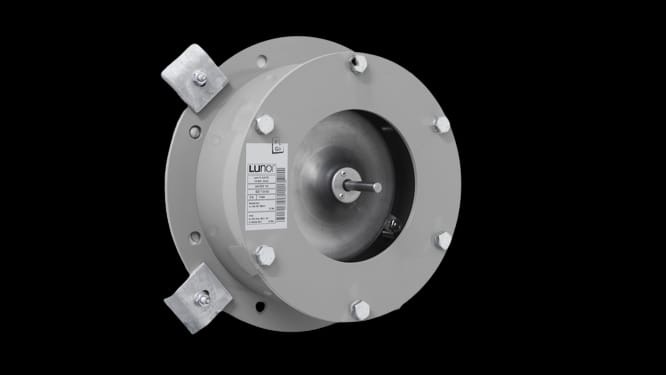
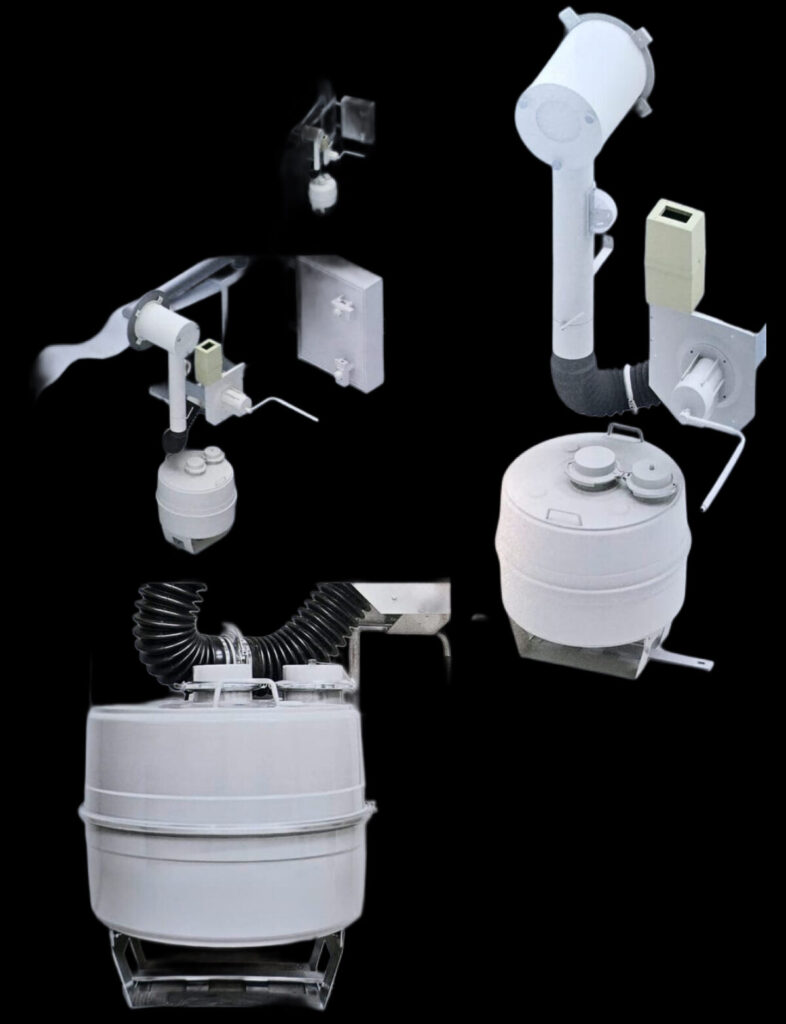
1. Drive unit (VA - ventilation unit)
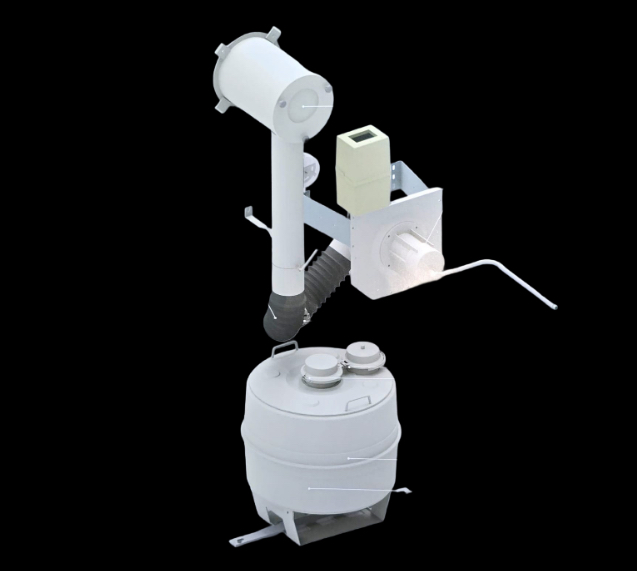
  • Draws in outside air.

  • Can operate in electric mode and manual mode (hand crank), ensuring ventilation even during a complete power outage.

  • The drive is shock-mounted and resistant to vibration, noise, and impact loads.

  • Protects the installation against a shock wave and post-blast overpressure.

  • The pre-filter captures dust, aerosols, solid particles, and mechanical contaminants.

  • Steel construction provides full resistance to pressure and fire.

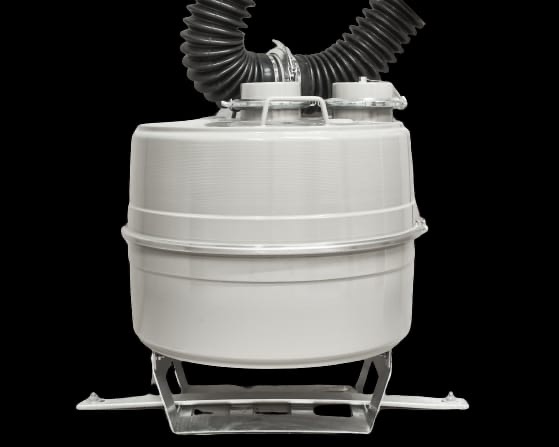
Used when outside air is contaminated. Connected to the VA unit via a tight corrugated hose. It retains:

  • chemical warfare agents (gas and aerosol),

  • pathogens and microorganisms (bacteria, viruses),

  • radioactive dust and aerosols,

  • toxic combustion by-products.

Its effectiveness ensures full isolation of the system from CBRN contamination.

  • Airflow is calibrated using the LUNOR flow meter, allowing system operation to be adjusted to the number of people in the shelter.

  • Supply and exhaust valves maintain constant internal overpressure, ensuring airtight safety.

Protection Against NBC/CBRN Threats

LUNOR systems provide comprehensive protection against:

The technology is designed to minimize the risk of any harmful substances entering the shelter.

Designed for Long-Term Operation
The systems are resistant to:

Why We Chose LUNOR

Space Requirements and Standards

Swiss civil protection standards define the minimum space and volume required per person in a shelter.

These requirements correspond to the Regulation of the Polish Minister of the Interior and Administration of 4 November 2025 on technical conditions for protective structures and their use and siting (Journal of Laws of the Republic of Poland, Warsaw, 13 November 2025, item 1548), i.e. 1 m² of floor area and 2.5 m³ of shelter volume per person.

Such parameters help maintain adequate air quality, occupant comfort, and proper operation of filtration and ventilation systems during long-term stay inside the facility.

Available models
Model Covered area Air capacity (m³/h) Operating pressure


VA — 40 up to 15 m² 40 / 80 — 3 bar
VA — 75 up to 25 m² 75 / 150 — 3 bar
VA — 150 up to 50 m² 150 / 300 — 3 bar
VA — 300 larger shelters 300 / 600 — 3 bar

These systems maintain stable internal overpressure, preventing contaminated air from entering from outside.

The NBC system provides full air treatment inside the shelter through advanced solutions:

As a result, users receive a constant supply of clean, healthy, contamination-free air.

Emergency Power / Manual Operation

LUNOR systems are prepared to operate under complete power loss:

Selecting an NBC System Based on Occupancy

According to Swiss standards, unit selection depends on the maximum number of occupants in the shelter:
This ensures each shelter can be equipped with a system matched to real demand.

Protective Shelters – Purpose and Operation

Protective shelters are built primarily for wartime or credible military threats; however, their role is not limited to armed conflict. They also serve as safe refuge for civilians during natural disasters, industrial accidents, and other crisis situations.

Their purpose is to create a secure space where occupants are protected against a wide spectrum of threats—both direct and indirect.

Protection Against Modern Threats

Shelters are designed to provide fundamental and effective protection against different types of attacks and hazardous effects of weapons use:

Conventional weapons
NBC systems installed in shelters:

As a result, the shelter becomes a sealed, safe environment capable of sustaining life even during prolonged exposure to external hazards.

Shelters Within Civil Defense Systems

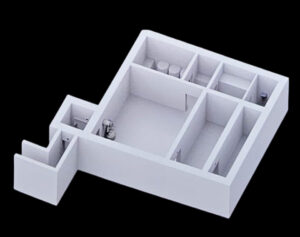
Modern shelters – built in accordance with current regulations – are most often constructed at the building stage, alongside the basement or underground floors.

They are typically characterized by:

Reinforced concrete, monolithic structure
Modern protective shelters require key structural elements to ensure real resistance to shock waves, overpressure, and other attack effects. One of the most critical components is armored doors, which serve as the main safeguard for the entrance zone and emergency exits.

Below are three main types of doors used in shelters – PT1, PT2, and PD – together with their intended applications.

Specifications:
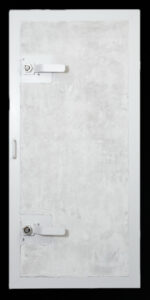
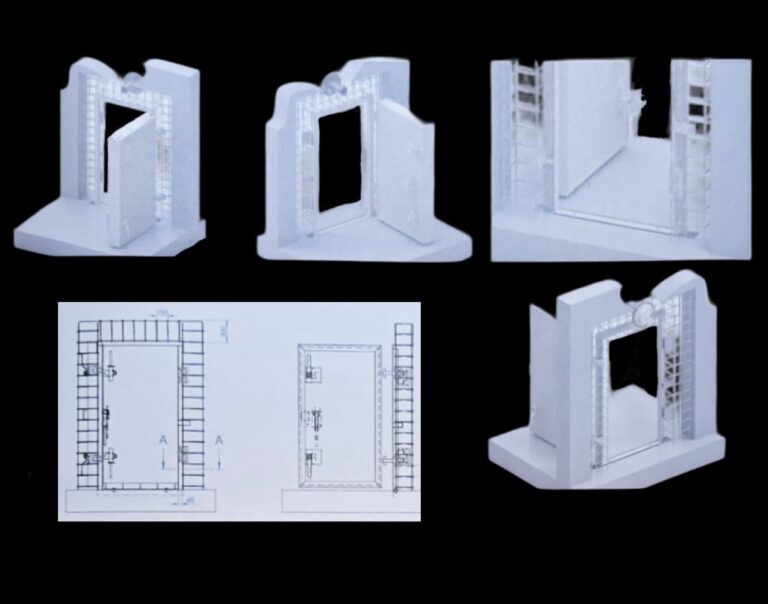
The PT-1 door is a compact model designed for smaller entrances or individual shelters. It provides full protection against overpressure and shock waves.
Applications:
Specifications:
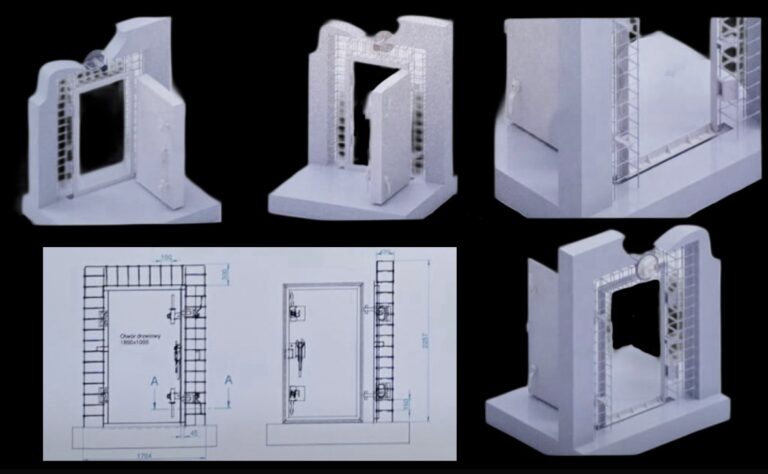
The PT-2 model is a larger, widened design used for full-size entrances to collective shelters. It allows for easier evacuation and the transport of equipment.

Applications:

Specifications:
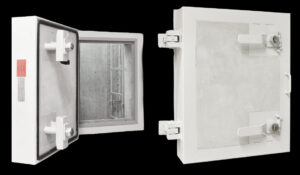
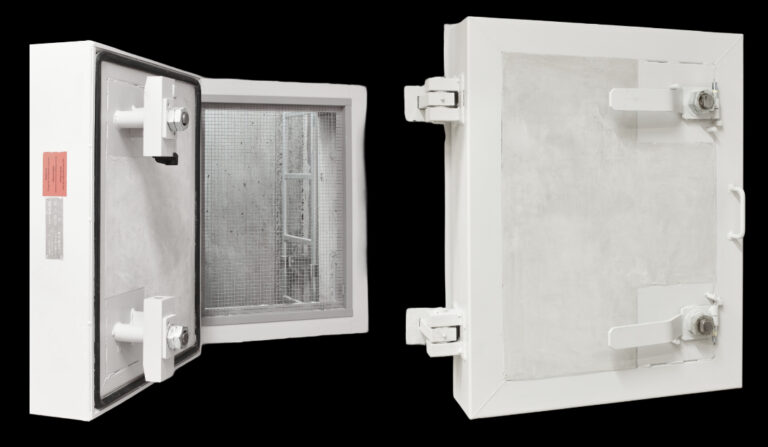
This compact emergency exit door/hatch is designed for escape routes where space is limited, including vertical shafts and tunnel exits. It provides protection against overpressure and shock waves.

Applications:

In shelters, dedicated sleeves intended to be cast into concrete are used to ensure correct installation of blast valves.

Installation principles:

These wall penetrations allow air to be safely routed from the intake to the NBC system while protecting the installation from damage caused by an explosion.